What to check before booking a desert safari in Dubai
Booking a desert trip is easy to do in a hurry. A few photos, a short description, and a payment page can make every option look much the same. The real differences sit in the details: what time you travel, how long you stay, which activities are included, and how the day is paced. Checking those points before you commit can prevent a dull afternoon, a rushed evening, or a bill that feels larger than expected.
Start with the shape of the trip. A morning safari tends to feel calmer, with softer light and cooler air, while an evening safari usually follows a more social pattern and ends after sunset. Neither choice is automatically better. The right one depends on your energy, your schedule, and whether you want a quiet landscape or a fuller programme with food and entertainment. Read the timing carefully, including pickup and drop-off windows, because the hours away from the city can be much longer than the time spent in the dunes.
What the price actually includes
Compare like with like before judging value. One option may look cheaper because it covers only the drive and a short stop, while another bundles several activities and a meal. A clear desert safari dubai price should be read alongside the inclusions, not on its own. Look for the parts that matter to you, such as dune bashing, a camel ride, a falconry display, or time for photos. If something is listed as optional, treat it as an extra unless the booking page says otherwise.
Transport is another detail worth checking. Some trips use shared vehicles, others use smaller groups, and the pickup point can affect the whole experience. If you are staying outside the usual pickup area, confirm that before paying. Also check whether the route is direct or whether it includes stops for other guests. That does not make a trip poor value, but it changes how much time you spend in the desert and how predictable the day feels.
How the activities fit together
A good itinerary has breathing room. Desert activities are not all the same, and stacking too many into a short window can make the experience feel fragmented. Dune bashing is energetic and can be uncomfortable for people who are prone to motion sickness. A camel ride is slower and works best when there is time to settle in. A falconry display is short but can be missed if the schedule slips.
Ask how the programme flows. Does the meal come before the entertainment, or after it? Is there time to watch the sunset without being hurried into the next activity? Are guests free to skip the more active parts? Clear answers usually point to a better organised trip. Vague answers, such as "varies" without any explanation, make it harder to plan around children, older travellers, or anyone who prefers a gentler pace.
Comfort, food, and group size
Comfort matters more in the desert than many travellers expect. Sand, heat, wind, and long waits can turn a minor detail into a major annoyance. Check whether water is provided, whether there is shade at the camp, and what guests should bring. Lightweight clothing, sun protection, and closed shoes are sensible choices for most trips. In cooler months, a layer for the evening can make the final part of the programme far more pleasant.
Food descriptions deserve a careful read too. A BBQ dinner may be a full buffet, a simple set meal, or an add-on, depending on the booking. If dietary needs matter, confirm them before arrival rather than assuming they can be met on the spot. Vegetarian options, allergy guidance, and child-friendly food are common concerns, and a clear answer in advance is more useful than a promise made in the moment.
Group size changes the tone of the day. Larger groups can feel lively and good value, but they also mean more waiting and less individual attention. Smaller groups often move faster and feel more relaxed, though they may cost more. Think about what you want from the trip. Some travellers enjoy the bustle and Arabian entertainment; others would rather have space to take photographs and watch the light change across the dunes.
Fees, timing, and small print
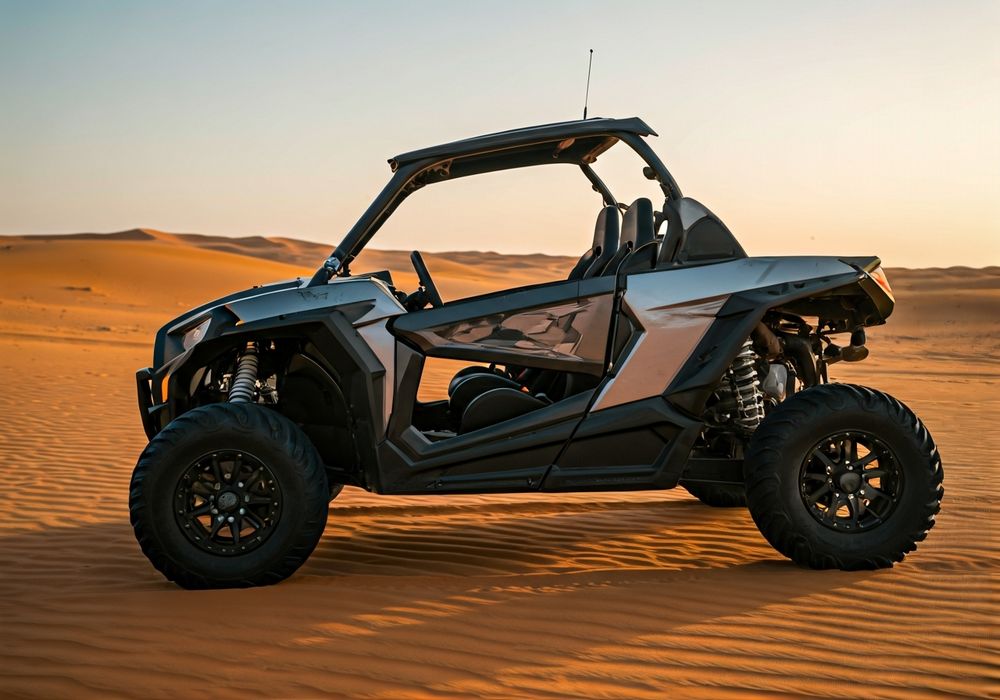
Before paying, look beyond the headline amount. Some activities are priced separately, and certain areas or add-ons may carry local charges that are not obvious at first glance. Quad biking is a common example. It may be advertised as part of the broader experience, but the ride itself can be treated as an optional extra. Check what is included, what is payable locally, and whether payment is expected in cash or by card.
Cancellation terms also deserve attention. Plans change, especially when a trip depends on weather, flights, or hotel timings. A clear policy makes it easier to decide how early to book and whether flexibility is worth paying for. Read the conditions around late changes, no-shows, and refunds. If the wording is hard to follow, ask for a plain explanation before making payment.
Another point to check is the meeting arrangement. Pickup from a hotel lobby is convenient, but it may involve a wait while other guests are collected. Meeting at a fixed location can save time, yet it requires you to arrive there without help. Both setups can work well. The key is knowing where to be, when to be there, and what happens if you are a few minutes late. Save the details before the day of the trip, since network coverage can be unreliable once you leave the city.
Matching the trip to the people going
Not every desert trip suits every traveller. Families with young children may prefer shorter drives, more shade, and a clear plan for meal times. Couples may value quieter moments and a well paced evening. Solo travellers often care about how groups are arranged and whether the programme allows time to relax. Older travellers may want to avoid long periods of bumpy driving or standing in crowded areas.
Health and mobility should be considered honestly. Dune bashing can be rough, even for people who are generally comfortable travelling. Anyone with back problems, neck issues, motion sickness, or pregnancy should look for a gentler option or skip that part of the programme. A camel ride also involves mounting and dismounting, so it may not suit everyone. Asking about these points early is far better than deciding on the day, when there may be little room to change the plan.
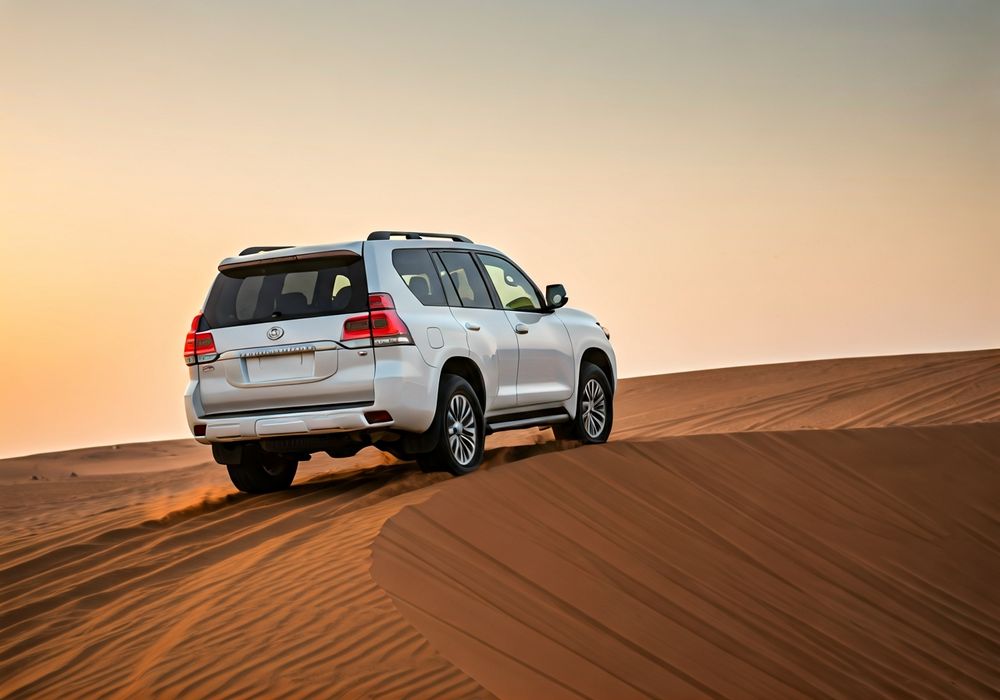
The best choice is usually the one that fits the whole day, not just the advertised highlights. A lower desert safari dubai price can still be a good decision if the inclusions match what you want. A higher price may feel reasonable when it removes uncertainty around transport, meals, timing, and comfort. Compare the full experience, then choose the option that leaves you free to enjoy the desert rather than manage surprises.
Before booking, keep a simple record of what was promised: the pickup time, the activities included, the meal arrangement, any local charges, and the cancellation terms. If a detail matters enough to influence your decision, it should be clear before payment. That habit takes only a few minutes and often makes the difference between a trip that feels smooth and one that feels rushed.